

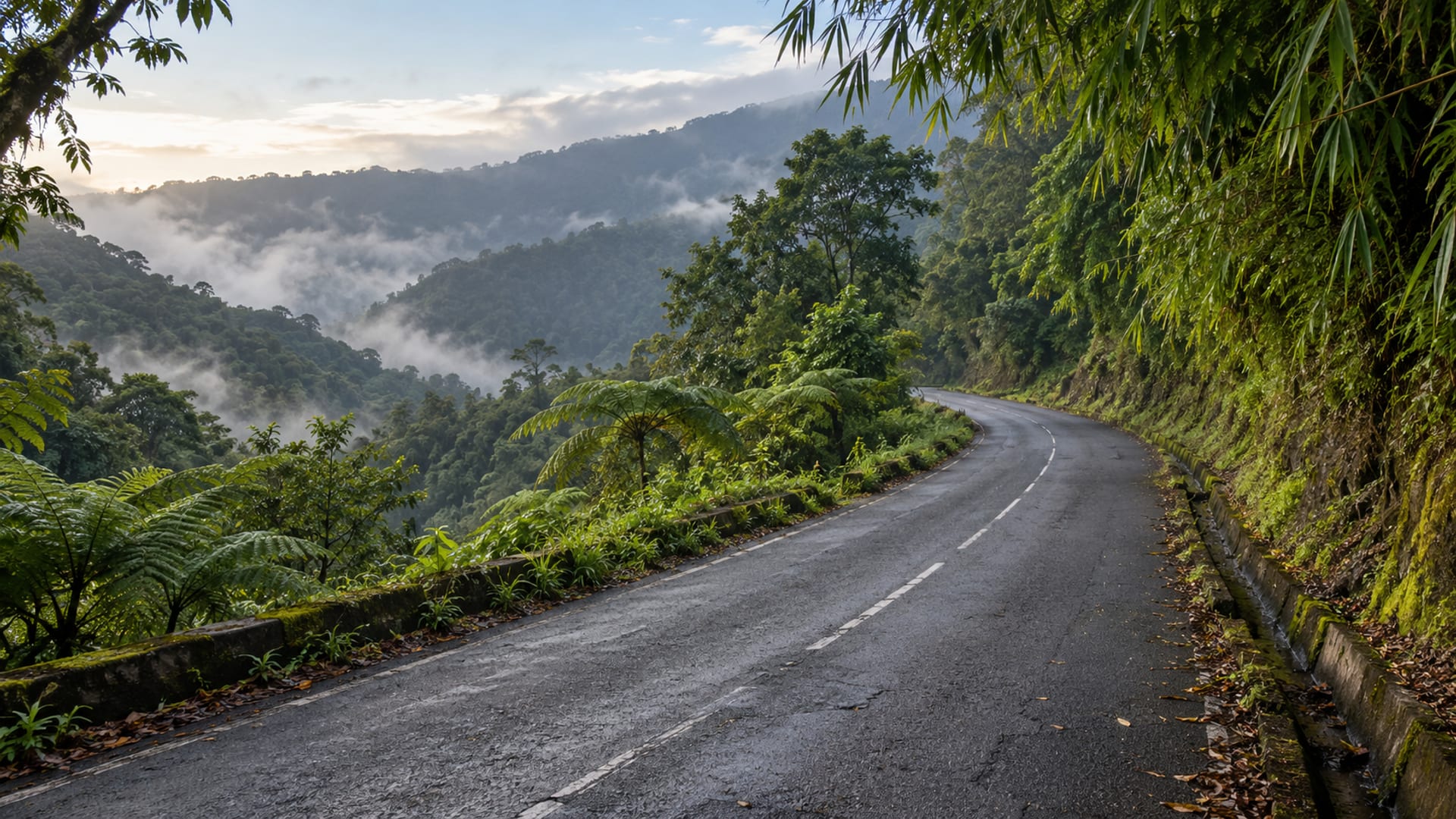
You can generally drive in Jamaica with a valid foreign licence, but you drive on the left, follow Jamaican speed signs, and carry the physical licence. Renting a car suits a self-directed trip with daylight driving and manageable luggage. A private transfer, driver, coach or taxi may fit better for an airport arrival, a long intercity crossing, mountain roads, or a group with child seats and mobility equipment. Your total cost depends on the vehicle or service, fuel, insurance, tolls, parking and luggage capacity. Highway tolls are charged in Jamaican dollars per passage.
Can you drive in Jamaica with a foreign licence?
Section 41 of Jamaica’s Road Traffic Act 2018 recognises qualifying foreign licences and foreign driving permits. A foreign licence is accepted for the shortest of:
- The licence expiry date
- The holder’s departure date from Jamaica
- Twelve months from arrival in Jamaica, where arrival can be proven
The foreign licence is treated as a Jamaican licence for the relevant vehicle class, subject to the conditions on that licence. It must authorise you to drive the type of vehicle you collect or borrow.
The Jamaica Tourist Board gives more specific visitor guidance. North American visitors may use their country’s licence for up to three months per visit, residents of the United Kingdom may use their licence for up to twelve months, and Japanese visitors may use their licence for up to one month. Carry the physical licence, not only a photograph or digital copy.
The Act also says that a foreign licence, whether or not accompanied by an International Driving Permit, does not authorise you to drive a vehicle carrying passengers or goods for hire or reward. That is different from driving your own private car, a rental car, or a relative’s private vehicle.
If you are using a relative’s car, settle permission and insurance cover with the owner and insurer before driving. The vehicle owner’s policy may have conditions for foreign drivers, age, vehicle use and named drivers. If your licence expires, you become resident, remain beyond the applicable visitor period, or the licensing authority or rental company requires it, arrange the Jamaican licence or other document that applies to your situation.
Do you need an International Driving Permit?
The Jamaica Tourist Board says an International Driving Licence is generally not required when your licence is in English. The Road Traffic Act 2018 also recognises a qualifying foreign licence whether or not it is accompanied by an International Driving Permit.
An International Driving Permit can still be useful when your licence is not in English or when a rental company requests one. Carry it together with the original physical licence. Before collecting a vehicle, check the rental company’s licence, age, payment card and insurance requirements.
Which side of the road do you use?
Jamaica drives on the left. Keep left unless you are overtaking. Overtake on the right, then return to the left lane when it is safe.
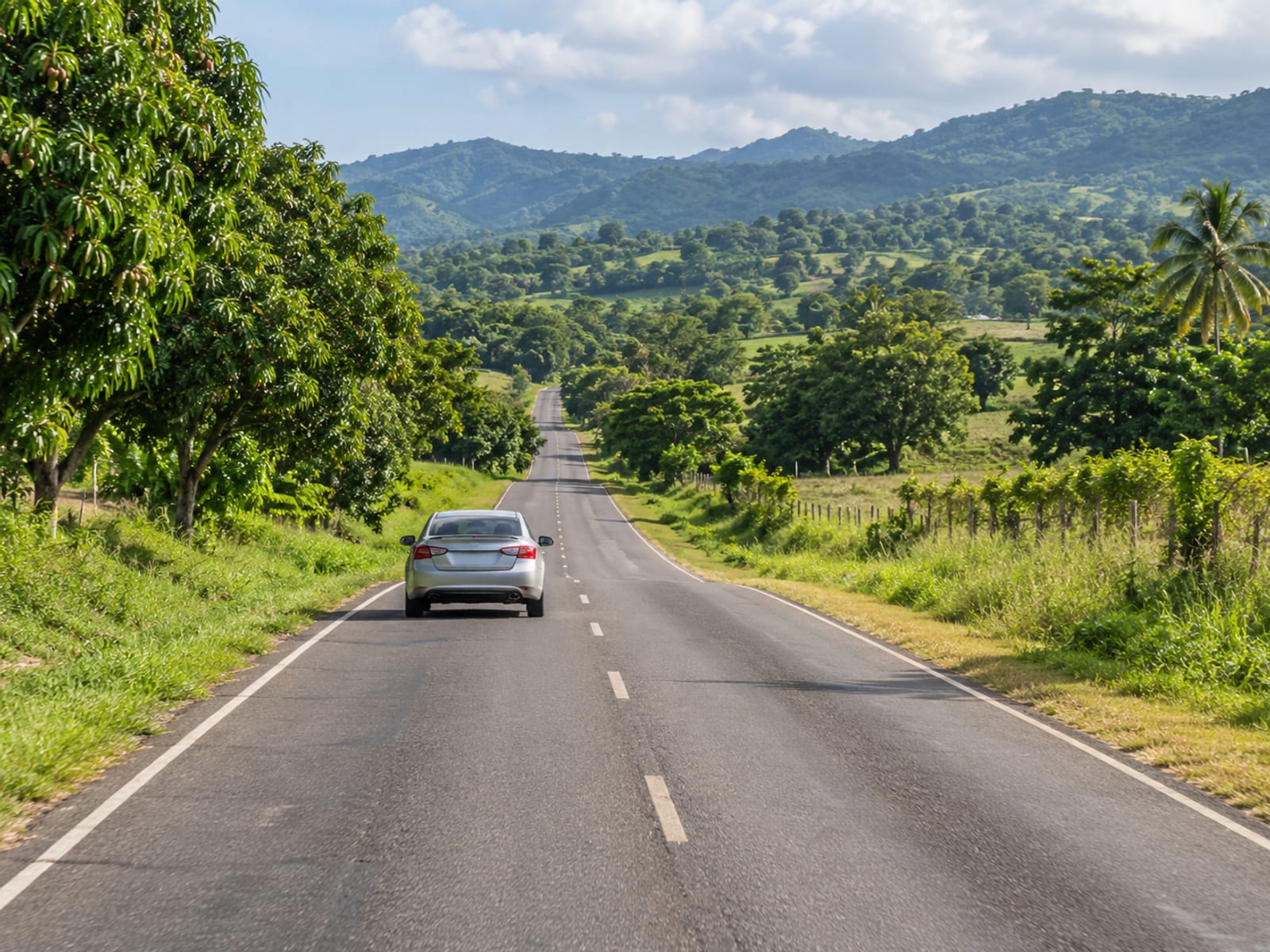
This matters from the first turn out of the airport or rental location. Take extra care when joining a road, turning across traffic, entering a roundabout, or moving between lanes on a divided highway. Follow traffic signs, school-zone limits, construction-zone limits and temporary restrictions.
Seat belts are required for drivers and passengers, and drivers must make sure passengers wear them. Children must use the prescribed child-restraint system. Holding or using a mobile phone or another electronic communication device while driving is prohibited, except in hands-free mode. Texting or composing a message while driving is prohibited.
Driving while incapable of proper control because of alcohol or drugs is an offence. The prescribed limits in the Road Traffic Act are 35 microgrammes of alcohol per 100 millilitres of breath or 80 milligrammes per 100 millilitres of blood.
What are the speed limits?
The Jamaica Tourist Board publishes these general limits:
- 50 km/h in built-up areas
- 80 km/h on highways
Posted signs and temporary limits take priority. Reduce speed for bends, rain, poor visibility, road works, congestion and narrow roads.
The Toll Authority publishes these highway-specific maximums:
- Highway 2000 East-West, 110 km/h
- North-South Highway, 80 km/h
The posted limit on the road remains the limit to follow, including where it is lower than a general or highway maximum.
What are Jamaica’s main toll roads?
Highway 2000 is the main tolled network.
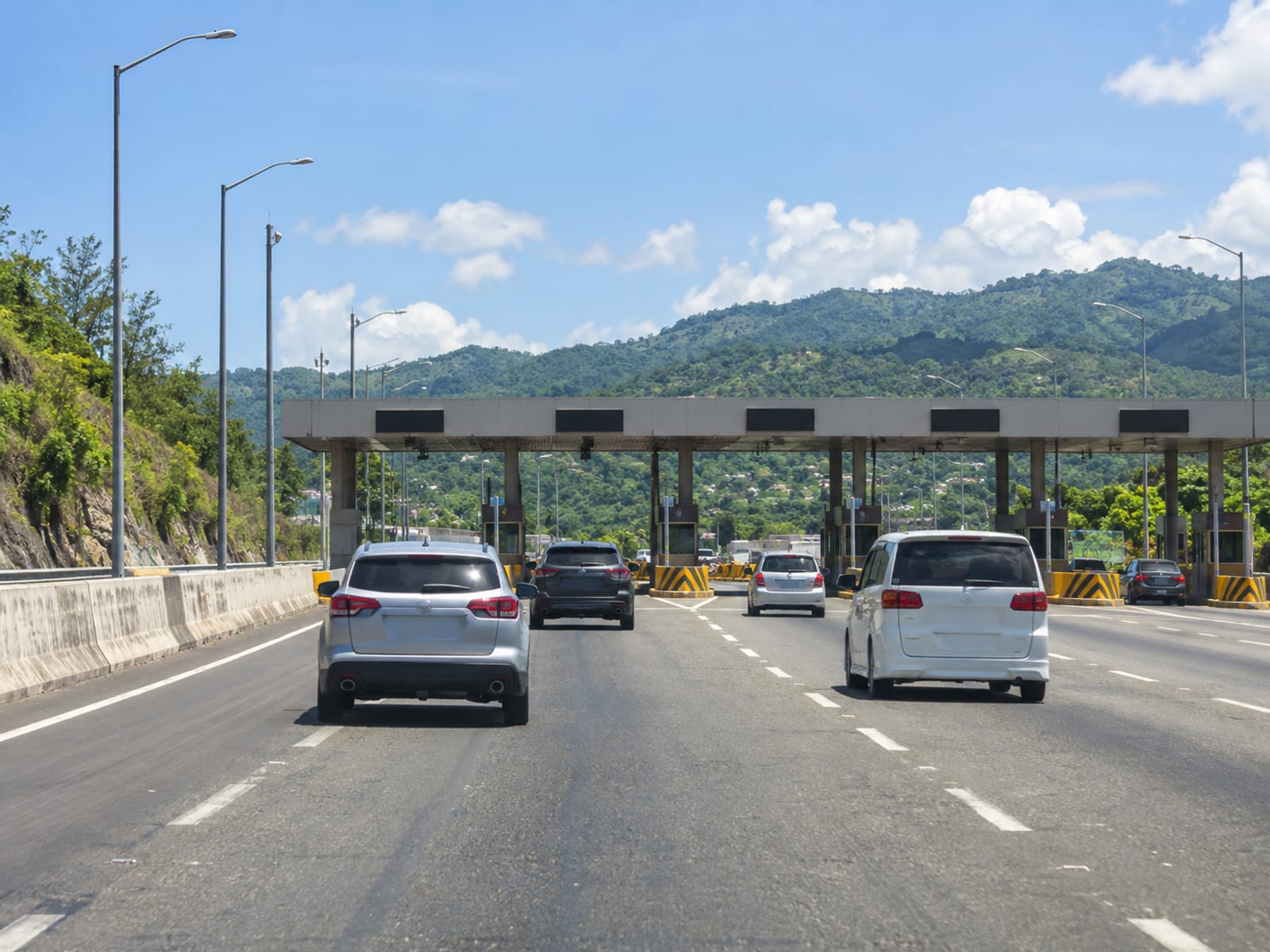
TransJam East-West T1 runs between Kingston and Williamsfield and is listed by the operator as 71.9 kilometres. TransJam East-West T2 runs between Kingston and Portmore and is listed as 6.5 kilometres. The North-South Highway runs from Caymanas to Ocho Rios, at Mammee Bay.
East-West rates below were published by the Toll Authority as effective August 3, 2026. Amounts are Jamaican dollars per passage. Class 1 vehicles are under 1.7 metres high. Class 2 vehicles are over 1.7 metres high and under 5.5 metres long. Class 3 vehicles are over 1.7 metres high and over 5.5 metres long.
North-South Highway fares published by the Toll Authority in its table dated August 3, 2026 are in Jamaican dollars, one way, per vehicle passage for Class 1 to Class 3:
The NROCC schedule effective August 28, 2026 lists lower figures, J$1,900 for a Class 1 car from Caymanas to Ocho Rios, so carry enough for the higher amount.
Cash, debit card and credit card payment are available at Paymaster locations associated with TransJam. T-Tag users receive discounted East-West rates and can top up online. Toll rates can change annually, so use the current table when planning the trip.
For a Kingston or Portmore commute, compare the toll with your fuel, parking and travel-time plans. The Portmore to Kingston transport options include JUTC buses, route taxis and the toll road. For a north-coast crossing, separate tolls from the cost of a coach, route taxi, private transfer or rental car.
What are Jamaican roads like?
The Jamaica Tourist Board describes the road network as urban, rural and mountainous. Rural roads can be winding, bumpy and narrow. Streets in town centres are generally wider but busier. Rural and mountain roads may not be well lit. If you want a meal on a long drive, see where to eat on the main road-trip routes.
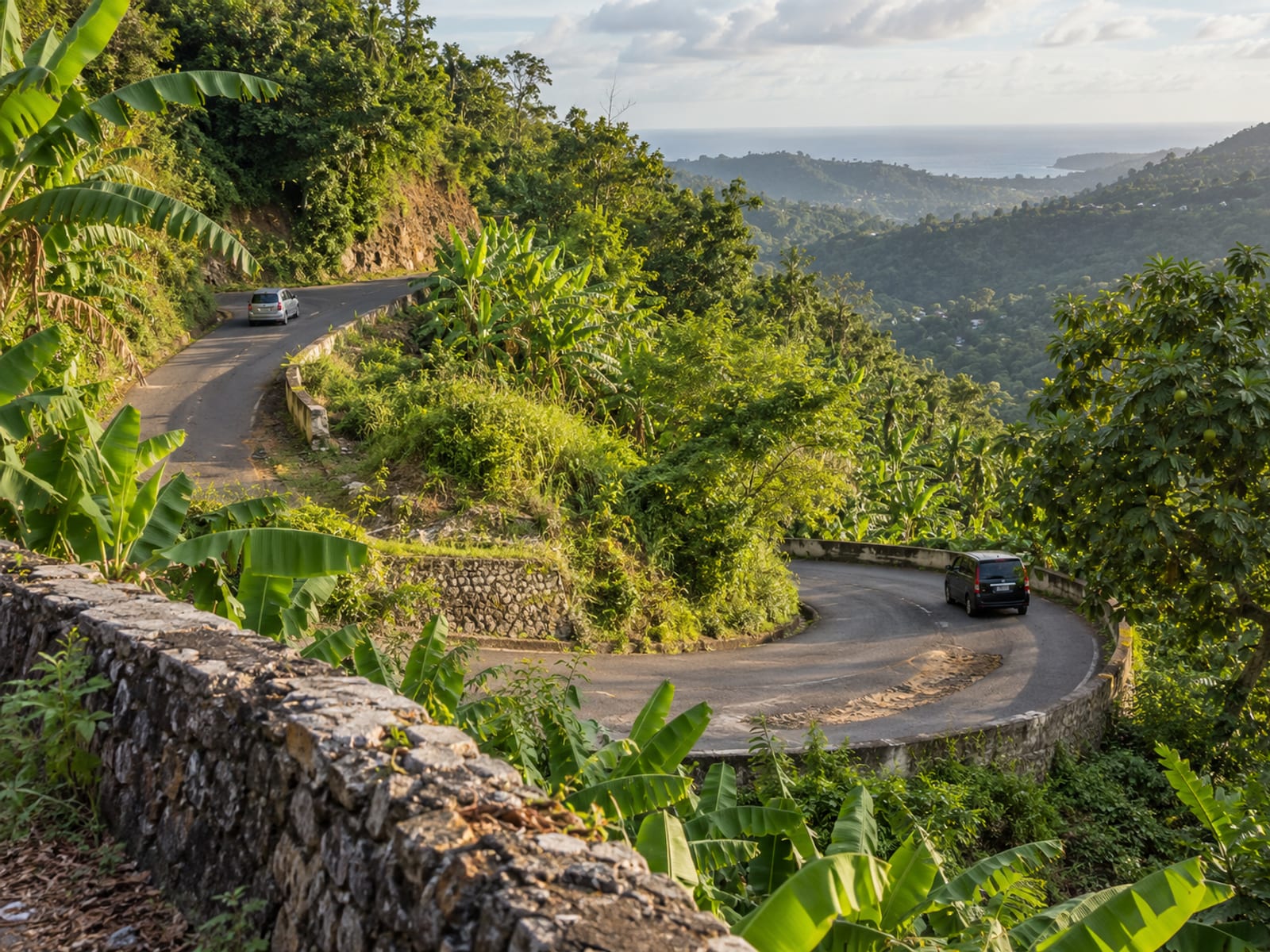
The UK government’s Jamaica travel advice also describes rural roads as often narrow, winding and poorly lit at night. The US government advises avoiding driving at night and says its employees may not drive between cities at night because of road conditions and safety risks.
Plan unfamiliar rural and mountain-road trips in daylight and allow extra time for traffic, road conditions and weather. A late airport arrival may suit a pre-arranged transfer or driver, followed by a rental car the next morning. If you plan to drive from Kingston towards the north or east, set the route and stopping points before leaving the city.
A route that looks short on a map may take longer when it includes bends, road works, town traffic, rain or a change from a major highway to a narrow local road. Treat published journey durations as estimates unless they come from a timetable.
Should you rent a car, arrange a driver or use scheduled transport?
A rental car gives you control over stops, departure times and access to places away from major corridors. It can suit you when you are comfortable driving on the left, your route is clear, parking is available and your vehicle has enough space for passengers and bags.
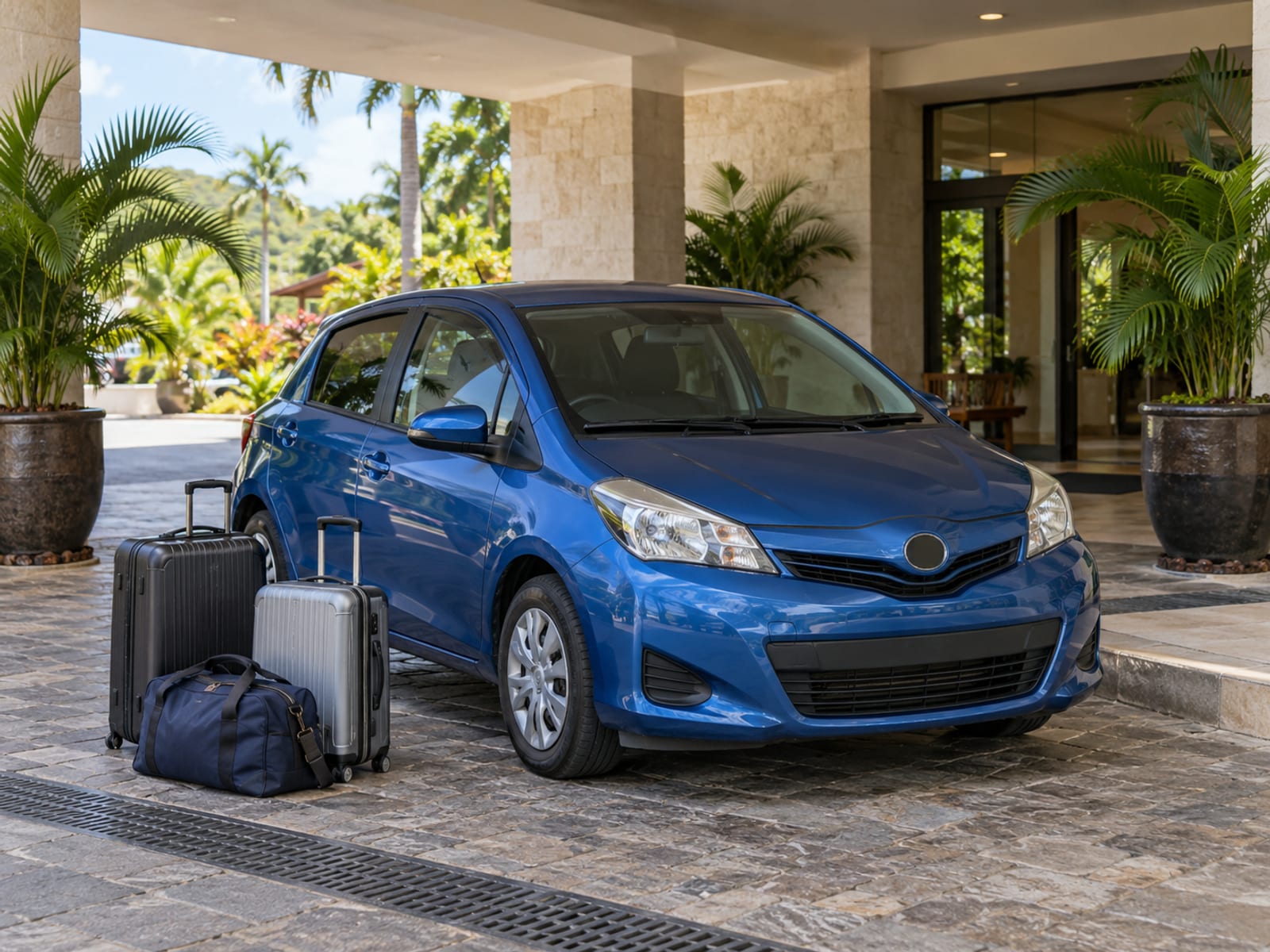
A private driver or transfer may fit an airport pickup, a long intercity trip, a night arrival, an unfamiliar mountain road, or a group that wants one vehicle for the whole booking. Set up the trip directly with the transport operator or airport transport desk. Ask for the total price to your exact address before leaving the airport.
Scheduled coaches and buses can suit a fixed route between major towns. Route taxis serve defined routes and work differently from a private taxi or private transfer. Read about route taxis in Jamaica and how they work before using one for an everyday trip.
For airport planning, the full airport name helps avoid mistakes. Sangster International Airport serves Montego Bay, while Norman Manley International Airport serves Kingston. If you land hungry at Sangster, see where to eat near Montego Bay Airport. Give the operator your flight number, airport, terminal, destination and direction. The airport transfer and taxi comparison for Jamaica explains the practical difference between arranging a private transfer and taking a taxi.
You can also combine services. For example, arrange a transfer from Sangster International Airport to your hotel, then rent a car for a later daytime stay. Or use a coach between Kingston and Montego Bay and arrange local taxis at each end. The suitable choice depends on the route, timing, luggage and vehicle terms.
What should you arrange before paying?
Give the transport operator or rental company the details that affect the price and vehicle:
- Arrival or departure flight number
- Airport and terminal
- Passenger count
- Number and type of bags
- Children’s ages and required child seats
- Exact hotel, villa, Airbnb or street address
- One-way or return direction
- Total price and currency
- Whether the price is per vehicle or per person
- Whether tolls, taxes, luggage, stops and waiting time are included
- What happens if the flight is delayed
- Exact airport meeting point
- Driver identification or contact method
- Payment method, deposit, cancellation terms and refund terms
- Vehicle type and luggage capacity
Jamaica Tours Ltd’s booking form requests the hotel or destination, trip type, passenger numbers, children, flight details and direction. Air Jamaica Transit’s request form asks for the airport or pickup location, destination, travel date, pickup time, passengers, bags, vehicle preference, flight number and one-way or round-trip status.
E&J Rentals publishes flight monitoring, adjusted pickup for delays, a personalised sign, luggage assistance and complimentary waiting time. Avis publishes child-seat availability at most locations and a usual charge of US$5 per day, capped at US$25 per rental. Availability, type and brand vary by location.
Rental prices, insurance excesses, deposits, airport fees and additional-driver charges vary by operator and booking date. Obtain a dated written quote stating the currency, vehicle, inclusions and exclusions.
Will the vehicle fit your family, group or mobility equipment?
Match the vehicle to both passenger count and luggage. A vehicle advertised for five people may not carry five people plus large suitcases comfortably.
Enterprise publishes cars for four to five people, SUVs for five to seven, and vans for seven to eleven. National publishes passenger vans seating up to seven or eleven people and a Toyota Hiace category seating seven.
For a child seat, give the child’s age, height and weight if requested, then ask which restraint is available, whether it will be installed before pickup, where it will sit, and whether the vehicle has the required belt or anchorage points.
For a wheelchair, request the exact vehicle type and ask:
- How many passengers and bags can travel with the wheelchair?
- Does the wheelchair remain occupied during travel?
- What are the lift or ramp dimensions and weight capacity?
- Can the vehicle carry a powered wheelchair?
- Is transfer assistance available?
- Can a child seat be fitted as well?
- Where exactly can the vehicle stop for pickup?
- What happens if the requested vehicle is unavailable?
Jamaica Wheelchair Taxi publishes a van for up to four people plus one wheelchair passenger and luggage for airport transfers. It also publishes a van for up to four people plus two wheelchair passengers and luggage, and a bus for up to ten people plus two wheelchair passengers and luggage.
What should you do after a collision or breakdown?
After a collision, stop and remain at the scene. Check for injuries and immediate dangers. Turn on hazard lights and use warning equipment if it is safe.
Photograph or record vehicle positions, tyre marks, damage and the surrounding location. Exchange names, addresses, registration details, insurance information and driver’s licence information. Collect witness names and contact details.
Report the collision to the nearest police station or a constable as soon as reasonably practicable. If the required information was not provided at the scene, report it within 24 hours. Keep the driver’s licence, registration certificate, certificate of fitness and insurance certificate available.
Call Police at 119, Ambulance at 911, or the Fire Brigade at 110 or 112 when required.
On a Highway 2000 toll road, move to a safe place if possible and call the relevant emergency line. The Toll Authority publishes 1-888-429-5632 for East-West and 1-888-429-5674 for North-South.
For a breakdown, move left, use hazard lights, use a call box or toll-road emergency line, and do not stand in the carriageway. A wrecker may be called on the toll road, and towing costs may be charged to the driver if the vehicle is in an unsafe position.
Common questions
Can I drive in Jamaica with my US license?
Yes, a visitor may generally drive a private vehicle with a valid US licence. The Jamaica Tourist Board says North American visitors may use their country’s licence for up to three months per visit and must carry the physical licence.
Should I drive on the left or right in Jamaica?
Drive on the left. Keep left unless overtaking, pass on the right, and return to the left lane when it is safe.
Is it worth renting a car in Jamaica?
A rental can suit a daytime itinerary with several stops, available parking, manageable luggage and a driver comfortable with left-side driving. A private driver, transfer, coach or taxi may fit better for long intercity trips, night arrivals, unfamiliar mountain roads, mobility equipment or larger groups.
Do I need an International Driving Permit in Jamaica?
Generally, no, when you hold a valid licence in English. Jamaica recognises a qualifying foreign licence whether or not it is accompanied by an International Driving Permit, but carry the original licence and follow the rental company’s requirements.
What are the speed limits in Jamaica?
The Jamaica Tourist Board publishes 50 km/h in built-up areas and 80 km/h on highways. Highway 2000 East-West has a published maximum of 110 km/h, while the North-South Highway has a published maximum of 80 km/h. Posted and temporary limits take priority.
For transport operators in the parish where you are travelling, start with the relevant Kingston transport operators, St. Catherine transport operators, St. Ann transport operators, or St. James transport operators.